

Replacement Locking Mechanism For UPVC Doors
If you are experiencing a "tick-tock" sound that is coming from your multipoint door lock made of upvc This could indicate that there is an issue with the gearbox in the centre of the case. It can also be caused by a damaged handle mechanism.
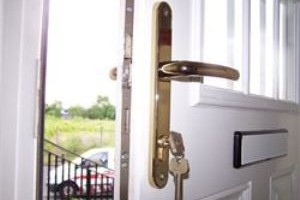
A replacement locking mechanism is usually needed to fix these issues. You can make it yourself for a less cost than a locksmith.
Identifying the problem
Don't think your uPVC lock isn't repairable If you've experienced issues with it in the past. It is possible to make some simple adjustments to restore functionality without the need to replace the locking mechanism. A sluggish or jammed uPVC doors aren't just difficult to deal with, but also pose a security risk. A professional locksmith can check the system and provide a comprehensive resolution to make sure that your uPVC multipoint door lock functions properly.
The most common problem with the uPVC multipoint door is that one of the points does not engage when you close the handle. This is often caused by dust, dirt or rust that build up in the mechanism over time. This can impede the smooth operation of the key or the handle, and in some cases cause the lock to become stuck and fail. A locksmith can clean and lubricate the mechanism, removing these substances.
A misaligned lock, or a loose door handle are also frequent issues with uPVC door locks. A uPVC door handle that becomes rigid or difficult to use could be fixed by tightening the screws inside the barrel. A misaligned uPVC door lock can be fixed by making a few uPVC hinge adjustments so that the handle is aligned with the keyhole as well as locking points.
Before you start working on your uPVC multipoint door lock, make sure you read the manufacturer's manual for any specific instructions or precautions. It's also important to measure accurately to ensure that you source a new lock that is identical in dimensions and angles of cam. Once you've made the measurements, it's time to disassemble the lock. Begin by slipping the screwdriver's flat-head under any hinge cover caps sticking out from the frames of the door, and then removing them off. This exposes the ends of the hinge pins which can be removed by tapping them with the Hammer. Then, you can remove the handle and then remove the cylinder from its designated slot in the door.
Preparing for the Job
Making a change to a uPVC locking can be a bit daunting when you're doing it for the first time but with the right tools and knowledge this can be an easy job. Take the necessary tools you'll need, such as screws and a new lock. You may want to check the manufacturer's instructions for the lock model you have.
Before you begin taking note of the indicators that indicate your uPVC door lock isn't working correctly. Common problems include difficulty inserting a key, resistance when turning the handle or turning it, and an incorrect alignment. These problems can be caused by dirt or improper use. If www.repairmywindowsanddoors.co.uk notice these signs on your uPVC doors, it is recommended to call a professional locksmith to check the locking mechanism.
If you are buying a new lock, ensure that you match it with the existing one in terms of faceplate and backset. This will ensure a perfect fit and prevents you from having to pay for additional parts. This information can be found on the packaging of the lock or on the internet. It is also helpful to buy the same lock from the same manufacturer. This will ensure that the new lock will fit seamlessly into the existing system.
It's also a good idea to purchase spare keys from a locksmith in your area. You'll save a lot of time and money in the event that your old locks don't work properly. You can also purchase an electronic padlock that will keep your valuables safe.
To avoid your uPVC door and lock mechanisms from squeezing or getting stuck, it is important to clean and service them frequently. This will also ensure that they're in good working order for long-term use. For instance, lubricating your lock with light oil can allow it to move freely. But be cautious not to apply too much since it could result in a gushy mess. It's also a good idea to get your spare keys cut regularly so that you are able to unlock your home whenever you need to.
Removing the Old Lock
Replacing a Upvc lock is a crucial element of ensuring your home's security. It can be a bit daunting to tackle the job by yourself, particularly if you're not comfortable with tools such as drills and hammers. A professional will complete the task swiftly, effectively and efficiently, saving you both time and money.
Before you begin to replace the lock, you'll need to know a few essential details about the lock's current mechanism. This includes its dimensions and the backset measurement (the distance from the door handle to the lock cylinder). Refer to the manual of the door's manufacturer or locksmith to make sure that you are getting the correct replacement.
It's also important to take off any hardware that is attached to the door, such as hinges or a decorative trim piece. This will allow you to access the inside of the door as well as the side of lock faceplate. Once you have gained access to the entire lock remove any screws that are holding the lock to frame with the help of a screwdriver.
After removing the screws, you should be able to loosen the lock cylinder, then remove it. Be careful not to tighten too much the screws, as this may cause them to break or break the cylinder. After the cylinder has been removed, you are able to work on other parts of your lock system.
There are a variety of bolts and latches, based on the type of lock you're using. The most commonly used types are hook locks and deadbolts, but they can be altered with a variety of attachments and accessories. It is essential to ensure your doors are as safe as possible. This is why it's important to invest in high-quality locks.
You'll need to lubricate your lock based on the type so that the keys turn smoothly and easily. This will keep the lock from getting rusty.
Installing the New Lock
If you have an uPVC door with a multipoint lock, it could be time to replace the cylinder. It can be costly and challenging to replace the system but it does not need to be. You can change the cylinder easily yourself for a lot less than the cost a locksmith would charge. This process is simple and only requires some tools to complete.
You need to first determine what's wrong with your cylinder, and then purchase a replacement that fits the lock. Getting the right size is essential because different sizes offer varying levels of security.
Once you have the new lock, follow the instructions for installation to ensure it is securely in place. Make sure you check the key once you've completed the installation to ensure it can be inserted and turned easily. Also check the door handle to confirm that it is able to be shut and opened. When you're satisfied with the results you obtained you can pat yourself on the back for successfully changing the lock on your uPVC doors!
The greatest benefit of a uPVC door is that it is secure and has many ways to stop intrusions into your home. It is crucial to replace a faulty lock as soon as you can. These suggestions will assist you to do this quickly and affordably.
It is simple to replace the locks of a uPVC lock. Make sure you have all the tools and equipment you require prior to starting. Also, put blocks of wood or doorstop beneath the door to prevent it from closing as you take it off. Finally, make sure you safeguard your eyes and hands by wearing gloves and safety glasses before you begin!
This step-by-step guide will assist you in replacing the uPVC handle or lock cylinder both with the least effort and maximum security. Consider hiring a professional if you are not sure of any of the steps, or if your lock is more complicated. They'll have the tools and know-how to swiftly and effectively replace your door locks.